


If your garage is full and your driveway is fuller, a 4-post lift for storage is the cleanest way to double your parking without pouring a new slab or building an addition. A four-post design lets you drive one vehicle up onto the runways, park a second underneath, and reclaim the footprint you already own. Because the runways carry the wheels directly, there is no arm positioning and no pinch-weld guesswork, which makes drive-on storage simple and repeatable. Auto Lift Services sells, installs, and services these lifts, so the guidance here comes from setting them up in real garages, not from a spec sheet.
Why a four-post design wins for stacking
A 4-post lift for storage is built around four columns and two long drive-on runways. You pull the top car straight up the ramps, lower it onto its mechanical safety locks, and park the daily driver below. Nothing touches the frame or rocker panels, so you can store a classic, a project car, or a second daily without worrying about lift-pad placement. The mechanical locks hold the load, not the hydraulics, which is exactly what you want for a vehicle that will sit parked for weeks. For a broader look at the category, see our 4-post storage lift overview.
Drive-on convenience and everyday use
The appeal of drive-on storage is that anyone can use it. There is no jack to roll, no arms to swing, and no adapters to stack. You line up on the runways, drive up, set the locks, and you are done. Most homeowners choose a 4-post lift for storage precisely because it removes the fuss: park the top car once, and you can pull the bottom car in and out daily with a foot of clearance to spare. Center stops and a rolling ramp make loading forgiving even in a tight bay.
Caster kits: roll the lift where you need it
One of the best features of a storage-oriented four-post is that it does not have to be anchored to one spot. A bolt-on caster kit lets you jack the lift up slightly and roll the whole unit, loaded or empty, to a different part of the garage. That is a real advantage for a shared bay: park a stored car on the lift, then roll it into a corner so you can back the boat or the mower in front of it. If your slab or layout changes, a caster kit means your 4-post lift for storage moves with you instead of staying bolted down.
Drip trays keep the car below clean
When you stack two vehicles, whatever leaks up top ends up on the roof of the car below unless you plan for it. Drip trays drop into the runways and catch oil, coolant, or melting snow so nothing rains down on your good paint. They are inexpensive, they slide out for cleaning, and they turn a bare four-post into a genuinely tidy storage system. Any 4-post lift for storage we sell can be fitted with a full set of trays, and we recommend them for anyone parking a driven vehicle underneath.
Low-ceiling considerations
Ceiling height is the number that makes or breaks a stacking project, so measure before you shop. You need the height of the bottom vehicle, plus the runway and locked-height of the lift, plus the height of the top vehicle, all under your true clear ceiling, including lights, doors, and duct work. Standard garages with eight-foot doors usually fit two ordinary sedans; taller trucks or SUVs on top may need a nine- or ten-foot ceiling. If you are height-limited, a lower-rise storage model or careful vehicle pairing keeps you in the game, and we will run the stack math with you so a raised car never meets your rafters. When your bay also has to double as a work space, compare a four-post against the alternatives in our 4-post vs quick jack comparison.
Footprint, width, and slab
Beyond ceiling height, plan for the lift’s footprint on the floor and the space you need to walk around a parked vehicle. Measure the drive-through width against your widest vehicle, and leave room to open the top car’s doors once it is raised. If you are anchoring the lift rather than running it on casters, the columns transfer load into the slab, so slab thickness and condition matter even for a storage unit. A sound garage floor is usually fine, but if yours is thin or cracked we will flag it before install. Thinking through footprint early keeps a stacking project from stalling once the freight arrives.
Home-garage picks: BendPak and Atlas
For a home garage or a hobbyist storing one or two cars, BendPak and Atlas make genuinely good-value four-post lifts. They are well built for residential duty, come in storage-friendly widths and rise heights, and accept the caster kits and drip trays that make stacking practical. If your goal is simply to park a second car safely and roll the lift out of the way when you need the floor, one of these is often the right call, and we will tell you honestly when it is. A budget-conscious buyer does not need a commercial lift to store a weekend car, and we would rather point you to the right value than oversell you.
Commercial-grade picks: Challenger and Rotary
If you are storing heavier vehicles, running a collector garage, or want a lift that will outlast the house, step up to Challenger or Rotary. Both build ALI-certified four-post lifts with higher capacities, longer runways, and the fit and finish that hold up to years of daily cycling. A Challenger or Rotary 4-post lift for storage costs more up front, but for stacking full-size trucks or protecting a valuable collection it is money well spent. We stock and stand behind both lines and can match the capacity and runway length to exactly what you park.
Let us help you stack it right
Picking the right 4-post lift for storage comes down to your ceiling, your vehicles, and how you use the bay. Browse current models in our 4-post lifts store, or start with our 4-post car lift for sale hub for the full lineup. If you are still weighing service versus storage, our 4-post lift buying guide walks through every decision. When you are ready to measure your bay and confirm the stack, call our team at 800-674-9302 and we will help you choose the lift, casters, and trays that fit your garage.
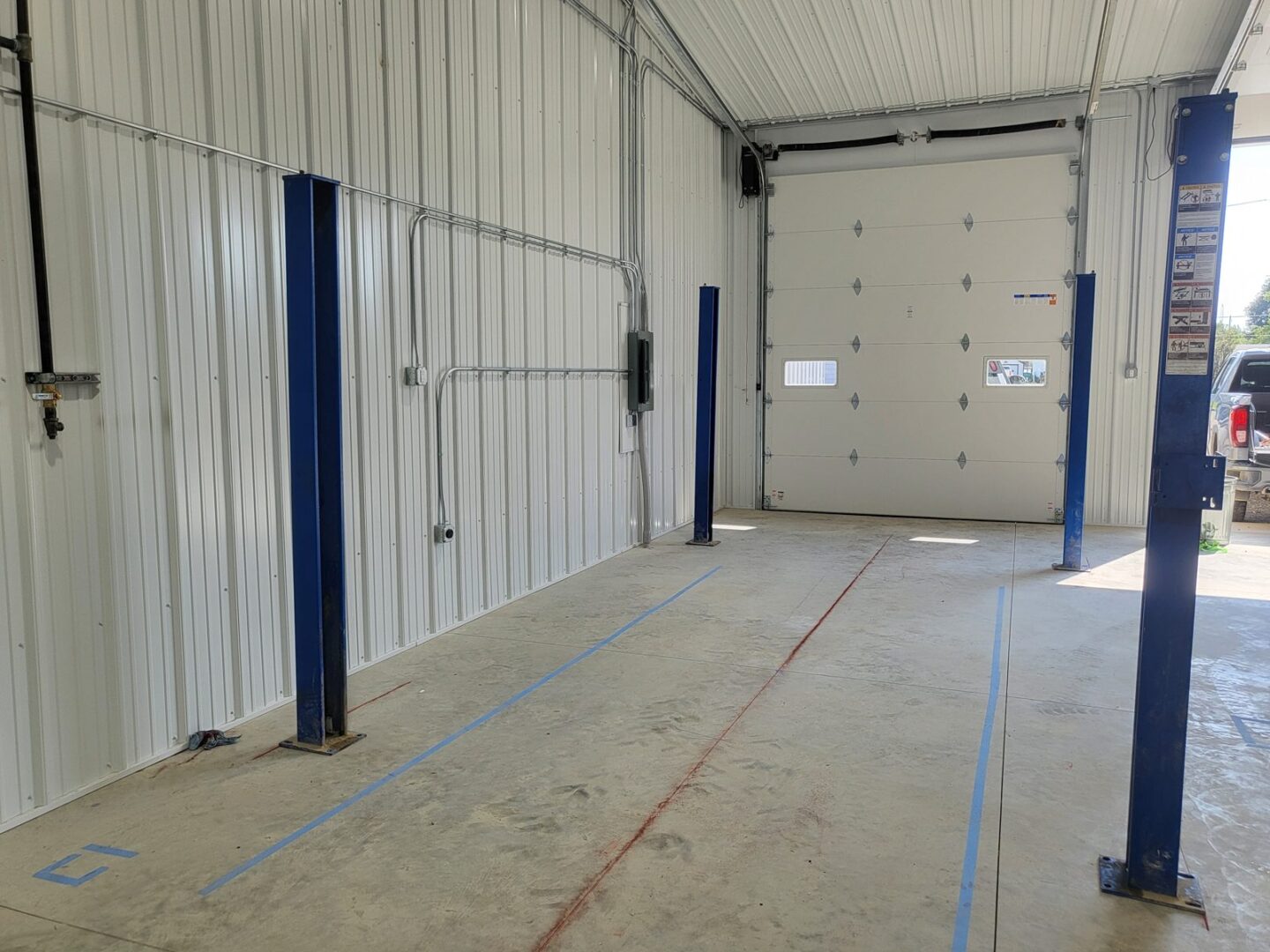
A four-post bay in a real shop
Our Clients Include: