


Your air compressor is the heart of your shop’s pneumatic system. Every impact gun, every tire machine, every blow gun, every pneumatic lift lock release — all of it runs on compressed air. When the compressor goes down or the air system cannot keep up with demand, your shop slows down across every bay simultaneously. Unlike a lift failure that kills one bay, a compressor failure can affect all of them.
At Auto Lift Services, we sell, install, and service air compressor systems for shops across Iowa. We work with Ingersoll Rand, EMAX, and CAS compressors, and we install Danam Air and Uni Pipe push-to-connect aluminum piping for air distribution. This article covers what a properly designed shop air system looks like and how to keep it running.
Compressor Brands We Work With
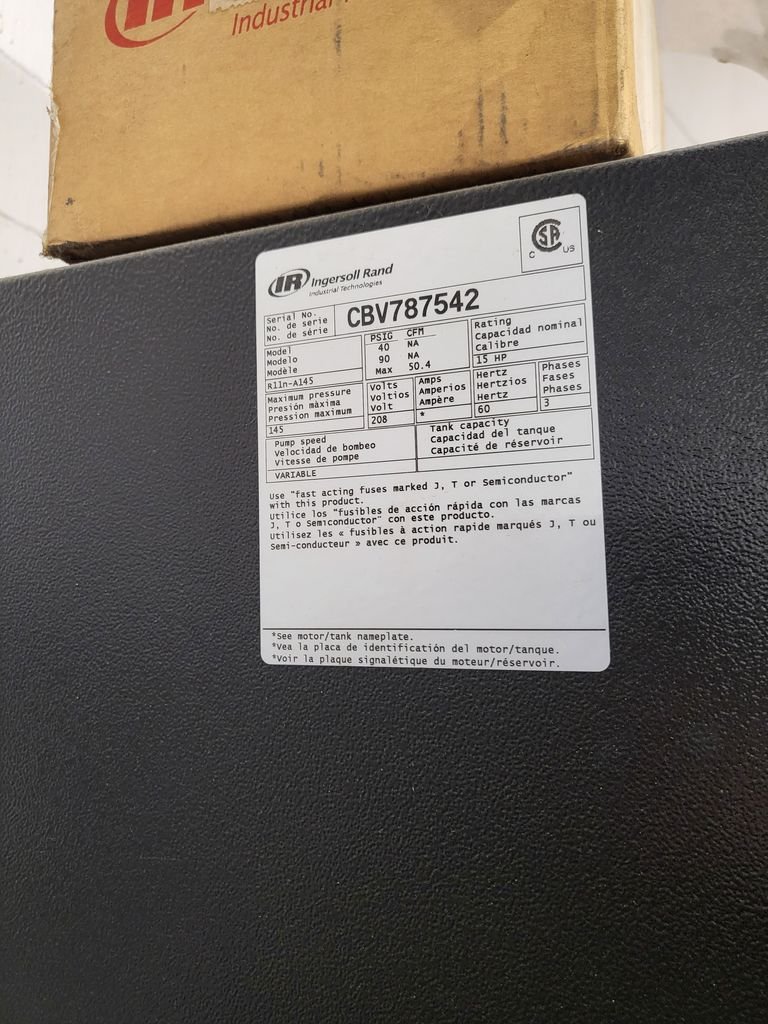
Ingersoll Rand
Ingersoll Rand is the premium tier. Their rotary screw and reciprocating compressors are built for continuous industrial duty — which is exactly what a busy automotive shop demands. The upfront cost is higher than alternatives, but the total cost of ownership over 15-20 years is typically lower because the machines last longer, need fewer repairs, and maintain efficiency better over time.
Parts availability is excellent. Ingersoll Rand has a deep distribution network, and common maintenance items — filters, oil, belts, valves — are stocked at industrial supply houses across Iowa. When a compressor needs a part, you are not waiting weeks.
EMAX
EMAX is a strong mid-tier option that delivers genuine industrial performance at a more accessible price point. For shops that need reliable compressed air without the premium cost of Ingersoll Rand, EMAX is a solid choice. Their reciprocating compressors handle the intermittent heavy-demand cycles that automotive shops produce — bursts of high CFM during impact gun use, followed by lower-demand periods, then another burst.
CAS
CAS rounds out our compressor lineup. For shops with moderate air demands or budget constraints, CAS provides dependable compressed air with good parts availability and straightforward maintenance requirements.
Sizing Your Compressor
The most common mistake in shop air systems is undersizing the compressor. A compressor that can keep up most of the time but cannot keep up during peak demand creates a shop-wide slowdown at exactly the worst moment — when every bay is busy.
CFM (cubic feet per minute) is the number that matters. Every pneumatic tool has a CFM rating — the volume of air it consumes during use. A 1-inch impact gun might draw 30 CFM. A tire changer might draw 5 CFM. A blow gun draws 10-15 CFM. Add up the CFM requirements of every tool that could run simultaneously during peak shop activity, then add 30% headroom. That is your minimum compressor CFM rating.
Tank size affects how well the system handles peak bursts. A larger tank stores more compressed air, which cushions the gap between peak demand and the compressor’s continuous output. For shops with high-burst-demand tools like impact guns, a larger tank reduces the frequency of compressor cycling and the pressure drops that slow tools down.
Horsepower is related to CFM but is not a substitute for it. Two compressors with the same horsepower can have significantly different CFM outputs depending on pump design and efficiency. Shop by CFM, not horsepower.
Air Distribution — Why Aluminum Piping Changes Everything
The compressor produces clean, dry, high-pressure air. What happens between the compressor and the tool determines whether that air arrives clean, dry, and at full pressure — or contaminated, wet, and at reduced pressure.
The Problem With Black Iron Pipe
Most older Iowa shops have air distribution systems built from black iron (steel) pipe. When these systems were installed, black iron was the standard. Here is what happens over 10-20 years:
Rust. Black iron rusts from the inside. You cannot see it, but every air line in the system is gradually narrowing as rust scale builds up on the interior walls. This restricts airflow and reduces the effective diameter of the pipe. A 1-inch pipe with heavy interior rust may have the effective airflow of a three-quarter-inch pipe.
Contamination. That rust does not just stay on the pipe walls. Rust flakes break loose and travel with the air stream. They end up in your air tools, in your paint guns, in your tire machine. Rust particles in a paint gun produce finish defects. Rust particles in an air ratchet accelerate wear on the vanes and rotor.
Moisture. Black iron pipe does not shed condensation well. Moisture collects in low points and at fittings, contributing to more corrosion and introducing water into the air stream. Water in compressed air causes tool damage, paint defects, and accelerated wear on pneumatic equipment.
Danam Air and Uni Pipe Aluminum Systems
We install Danam Air and Uni Pipe push-to-connect aluminum piping for air distribution. The advantages over black iron are significant:
No rust — ever. Aluminum does not corrode from compressed air exposure. The pipe stays clean on the inside for the life of the installation. The air that reaches your tools is as clean as the air that left the compressor.
Push-to-connect fittings. No threading, no pipe dope, no Teflon tape. Push the pipe into the fitting, and it seals. Installation is dramatically faster than threaded pipe, and the connections do not develop the leaks that threaded joints inevitably develop over time. Adding a new drop to a bay means cutting the pipe, inserting a tee, and running the new line — a 30-minute job instead of a half-day threading project.
Lightweight. Aluminum pipe weighs a fraction of steel. Overhead runs need fewer supports and put less stress on ceiling structure. In older Iowa shop buildings where ceiling framing may not support heavy pipe, this is a practical necessity.
Easy reconfiguration. When you add a bay, rearrange equipment, or need an air drop in a different location, push-to-connect aluminum pipe makes changes simple. With black iron, reconfiguration often means cutting, threading, and re-routing entire sections.
Common Compressor Issues
Pressure Switch Failure
The pressure switch tells the compressor when to turn on and off based on tank pressure. A failed switch either prevents the compressor from starting (low-pressure cut-in failure) or prevents it from stopping (high-pressure cut-out failure). The second scenario is dangerous — the compressor keeps running until the pressure relief valve opens or something worse happens.
Check Valve Leaks
The check valve prevents compressed air in the tank from flowing back through the pump when the compressor is off. A leaking check valve bleeds tank pressure, causing the compressor to cycle constantly. You will notice the compressor running far more often than it should, and tank pressure dropping between uses.
Oil Carryover
On lubricated compressors, worn piston rings or overfilling the crankcase allows oil to pass into the compressed air stream. Oil contamination affects every downstream tool and application. A properly maintained compressor produces minimal oil carryover, but worn pumps can push significant amounts of oil into the air lines.
Belt Wear
Belt-driven compressors need periodic belt replacement. A glazed or cracking belt slips under load, reducing compressor output. A broken belt stops the compressor entirely. Belt inspection is a five-second visual check that should happen weekly.
Moisture Accumulation
Compressing air concentrates the moisture in it. That moisture must be drained from the tank regularly — daily in humid Iowa summers. A tank that is not drained accumulates water that corrodes the tank interior, contaminates the air stream, and in extreme cases can weaken the tank structure.
Preventive Maintenance Schedule
Daily: Drain moisture from the tank. Check oil level on lubricated compressors. Listen for unusual sounds during operation.
Weekly: Inspect belts for wear and tension. Check air filter condition. Verify pressure switch operation (cuts in and out at correct pressures).
Monthly: Check all fittings and connections for leaks (a soapy water spray test works). Inspect the pressure relief valve by pulling the ring — it should release air and reseat cleanly.
Quarterly: Change the air filter. Check oil condition and change if needed. Inspect the motor and pump for unusual vibration or temperature.
Annually: Full service — oil change, filter replacement, belt replacement, valve inspection, tank inspection, full leak test of the distribution system.
Air Compressor Service Across Iowa
Auto Lift Services sells, installs, and services air compressor systems across Iowa. Whether you need a new compressor system for a shop build-out, a piping upgrade from black iron to aluminum, or maintenance and repair on existing equipment, we handle it.
Call us at 800-674-9302 or email info@autoliftserv.com to discuss your shop’s air needs, get a system design, or schedule compressor service.

Josiah Ragsdale
Founder, Automotive Lift Services
Josiah has been installing, repairing, and inspecting automotive lifts since he was 18 years old. He founded Automotive Lift Services in 2019 after years of seeing lifts installed wrong, never inspected, and putting technicians at risk. His team now services all 50 states from their Iowa headquarters. Read more
Air Compressor Installation – Questions & Answers
Is this new for you?
We are now offering this service in Iowa. It builds directly on our hydraulic equipment and parts expertise – the same skills we use on lifts every week.
Do you service brands you didn't sell?
Yes. We work across the common brands and source parts widely.
Can you get parts fast?
We source hydraulic and equipment parts across brands, so jobs do not stall waiting on one proprietary part.
Need air compressor installation? Call 800-674-9302 – tell us the brand and the symptom and we will tell you what it takes.
Our Clients Include: