


Meta description: Collision center equipment includes frame machines, paint booths, ADAS calibration, and welding stations. We design and equip body shops from floor plan through commissioning. For comprehensive guidance, see our auto dealership construction resource.
Suggested slug: /collision-center-equipment
A collision center is the most equipment-intensive facility type in the automotive service industry. The list of specialized systems in a body shop — frame machines, paint booths, welding stations, measuring systems, ADAS calibration bays, mixing rooms, and dedicated ventilation — makes a general repair shop look simple by comparison. Every piece of collision center equipment has specific construction requirements that must be coordinated before the building goes up. A paint booth requires roofing penetrations. A frame machine needs reinforced concrete. An ADAS calibration bay needs precise floor flatness and controlled lighting. None of these can be added as an afterthought.
We design and equip collision centers from the initial floor plan through final commissioning. Auto Lift Services works with your architect and general contractor to ensure that every piece of body shop equipment has the structural support, utility connections, ventilation pathways, and floor space it needs — before the first wall goes up.
Frame Machines — The Structural Backbone
The frame machine is the most critical piece of body shop equipment in the facility. Every vehicle that arrives with structural damage goes on the frame machine for measurement and pulling. We install Car-O-Liner frame systems — measuring equipment, pulling towers, and universal jigging that adapts to virtually every vehicle make and model.
A Car-O-Liner system requires specific construction coordination. The floor anchors must handle the pulling forces generated during structural repair — these are measured in tons, not pounds. The concrete under a frame machine needs to be reinforced and poured to the manufacturer’s specification, with anchor points positioned to exact dimensions. If the slab is already poured when the frame machine decision is made, you are cutting concrete and pouring piers — a costly change order that delays the project.
Modern frame measuring is electronic. Car-O-Liner’s measuring systems use sensors mounted to the vehicle that compare the damaged structure against the manufacturer’s original dimensions. The system tells the tech exactly where each reference point is relative to where it should be, within millimeters. This data drives the repair plan and verifies the repair when pulling is complete. The electrical and data connections for the measuring system need to be planned into the bay layout — not run across the floor on extension cords.
A busy collision center needs at least two frame machine bays. Structural repair is time-intensive — a moderate hit can tie up a frame machine for two to three days. One frame machine creates a bottleneck that backs up the entire repair pipeline. Two machines allow the shop to keep vehicles moving even when a complex repair occupies one bay for a week.
Paint Booths — The Most Complex Installation
Paint booths are the single most construction-intensive piece of collision center equipment in any body shop build. A paint booth is not a room with good ventilation — it is a precisely engineered environment with controlled airflow, temperature, and filtration that allows paint to apply and cure correctly while meeting EPA emissions standards.
We install USI downdraft and crossdraft paint booths. Each configuration has different construction requirements. A downdraft booth pulls air from ceiling-mounted intake filters down across the vehicle and out through floor-mounted exhaust grates into a below-grade pit or basement. This requires a concrete pit beneath the booth, structural modifications to support the air handling unit on the roof, gas connections for the burner (paint booths heat incoming air to maintain spray temperature), and electrical connections for the blower motors and control systems.
A crossdraft booth moves air horizontally — in through filters at one end and out through exhaust at the opposite end. Crossdraft booths do not require a floor pit, which reduces construction cost and complexity. However, they produce slightly less uniform finish quality than downdraft systems because paint overspray travels horizontally past the vehicle rather than being pulled straight down.
Both configurations need:
- Make-up air units — heated, filtered air that replaces the volume being exhausted. Without adequate make-up air, the booth creates negative pressure that pulls unfiltered air through every gap in the building.
- Exhaust filtration — paint particulates must be captured before air is discharged. This typically means a series of progressively finer filters in the exhaust stack.
- Gas connections — the burner that heats incoming air runs on natural gas or propane.
- Fire suppression — paint booths require dedicated fire suppression systems, typically dry chemical, with automatic activation.
- Roofing penetrations — intake and exhaust ductwork passes through the roof. Every penetration must be flashed and sealed.
- EPA compliance — VOC (volatile organic compound) emissions must meet federal and state standards. The exhaust system design determines compliance.
The paint booth alone involves structural modifications, roofing work, HVAC engineering, plumbing, gas piping, electrical, and fire suppression coordination. This is why body shop equipment planning must start during the architectural design phase — not after the building is framed.
Mixing Room and Paint Storage
Adjacent to the paint booth, every collision center needs a dedicated mixing room. This is where the painter mixes custom colors using the paint manufacturer’s formula system, scales, and spectrophotometer. The mixing room requires explosion-proof electrical fixtures, dedicated ventilation (separate from the paint booth system), fire-rated storage cabinets for paint and solvents, and a hazardous waste containment area. Building codes dictate the maximum volume of flammable materials that can be stored in a mixing room, which determines room size.
The mixing room should be immediately adjacent to the paint booth — the painter mixes a batch, walks five steps, and sprays. A mixing room on the opposite side of the building adds travel time to every paint job and increases the risk of contamination between mixing and spraying.
ADAS Calibration Bay — Post-Collision Mandatory
Every modern vehicle that goes through a collision center needs ADAS recalibration before it leaves. Windshield replacement, bumper removal, fender repair, frame pulling — any of these can shift the cameras, radar sensors, and lidar units that the vehicle’s safety systems depend on. Returning a vehicle without recalibrating these systems creates liability exposure that no body shop can afford.
A dedicated ADAS calibration bay in a collision center needs specific construction characteristics. The floor must be precisely level — Hunter’s calibration systems require floor flatness within a tight tolerance. The bay must have controlled lighting — direct sunlight, reflections, and overhead fluorescents can interfere with camera calibration targets. The bay needs to be long enough for the calibration distance the vehicle manufacturer specifies — some systems require 10 to 15 feet of clear space in front of the vehicle for target positioning.
We install Hunter ADAS calibration systems in collision centers. The investment in a dedicated ADAS bay eliminates the need to sublet calibration work — which costs $200 to $500 per vehicle and adds days to the repair cycle when the sublet vendor is backed up.
Vehicle Flow — From Damaged to Delivered
The floor plan of a collision center must support a logical vehicle flow. Collision center equipment placement determines how efficiently vehicles move through the repair process. The optimal flow is:
Estimating and photography bay — the vehicle enters the facility and goes to a well-lit bay where the estimator photographs damage and writes the repair plan. Good lighting is essential — the estimator needs to document every damaged panel, and supplemental damage discovered later creates supplements that slow the repair and frustrate the insurer.
Disassembly area — damaged components are removed. This area needs lifts for undercarriage access and space for storing removed parts until the repair is complete.
Structural repair — the vehicle goes on the frame machine. This is where the Car-O-Liner system measures, pulls, and verifies structural dimensions.
Body repair and panel replacement — welding stations with specific electrical requirements (MIG, spot welding, aluminum welding each require different circuits and ventilation), panel bonding areas, and dedicated workstations for each tech.
Paint preparation — sanding, masking, and priming. This area needs its own ventilation because sanding dust contaminates paint if it reaches the spray booth.
Paint booth — spraying and curing. Separate from all other areas with positive-pressure filtered airflow.
Reassembly — the painted vehicle gets its components reinstalled. This area needs the same lift access as disassembly.
ADAS calibration — post-repair recalibration in the dedicated bay.
Quality check and detail — final inspection, buffing, and cleaning before delivery.
Parts staging — throughout the repair, parts arrive from the dealer, aftermarket supplier, or salvage source. A dedicated parts staging area prevents parts from being scattered across the shop and lost.
Each transition between areas should be a forward movement — the vehicle never goes backward in the flow. Backtracking means the vehicle is in the way of other vehicles moving forward. The floor plan determines whether the shop runs efficiently or creates its own traffic jams.
Welding Stations — Electrical and Ventilation Planning
Modern collision repair uses multiple welding technologies. MIG welding for steel panels, squeeze-type resistance spot welding for factory-style welds, and aluminum-specific welding for vehicles with aluminum body panels (Ford F-150, most luxury brands, and an increasing number of mainstream vehicles). Each welding type has different electrical circuit requirements and ventilation needs.
Aluminum welding is particularly demanding. Aluminum dust is combustible — dedicated dust extraction at the welding station is not optional. Aluminum repair should be performed in a separated area to prevent steel particles from contaminating aluminum surfaces, which causes galvanic corrosion. Some body shop layouts include a dedicated aluminum repair bay with its own ventilation system and tools that never contact steel.
Environmental Requirements and Compliance
Collision centers face more environmental regulation than any other automotive facility type. Paint booth emissions, solvent storage, waste disposal, and dust control all fall under EPA and state environmental agency oversight. The body shop equipment we install meets current regulatory standards, but the facility itself must be designed for compliance — containment for liquid spills, proper ventilation to maintain indoor air quality, fire-rated storage for flammable materials, and documented waste disposal procedures.
We coordinate with your GC and architect to ensure that every piece of installed equipment has the environmental infrastructure it needs. Our construction partners — Koester and our partner construction companies — have built automotive facilities with these requirements before. When you need a GC who has not built a body shop, we bridge the gap between the contractor’s construction expertise and the specialized requirements of collision repair.
The 2-Year Warranty on the Complete Facility
We back every collision center project with a 2-year warranty on the building and every piece of equipment inside it. The frame machines, paint booths, ADAS calibration systems, ventilation, exhaust filtration, and every other piece of collision center equipment we install is covered under one warranty from one company. Your GC warranties the structure. We warranty the equipment and the installation. If something fails, you do not spend two days figuring out whose responsibility it is — you call us.
Call 800-674-9302 | Email [email protected] | Browse equipment at store.autoliftserv.com
Related Articles
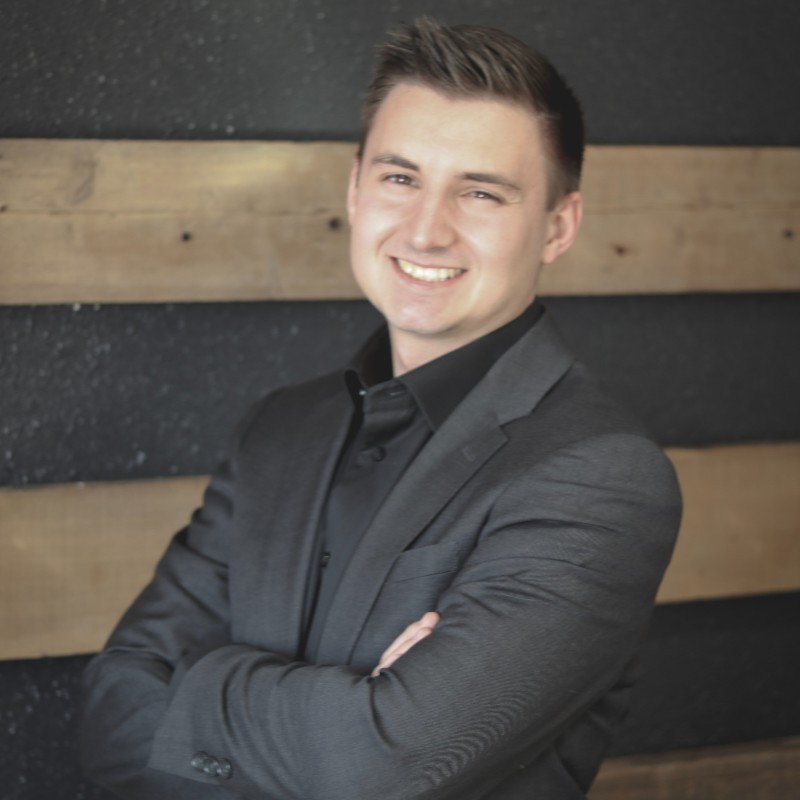
Josiah Ragsdale
Founder, Automotive Lift Services
Josiah has been installing, repairing, and inspecting automotive lifts since he was 18 years old. He founded Automotive Lift Services in 2019 after years of seeing lifts installed wrong, never inspected, and putting technicians at risk. His team now services all 50 states from their Iowa headquarters. Read more
Our Clients Include: