Tire Mount And Balance Machine
For a small fleet running its own differential fluid service program, the humble tire mount and balance machine is easy to overlook — until the day a wheel comes off a drive axle and you realize your shop layout, freight dock, and forklift routine were never built around a heavy commercial-grade unit. Small fleets that service their own gear boxes, hubs, and diffs need tires off and on quickly and safely between fluid changes, and the tire mount and balance machine you choose has to fit that workflow, not just the tire itself. This piece isn’t another spec-sheet buyer’s guide — it’s a side-by-side look at two real-world configurations fleets ask us about, and how each one plays out once the truck actually shows up with a crate on a pallet.
Shop Tire Mount & Balance Machines →
Why Differential Service Changes the Tire Machine Equation
Differential fluid service almost never happens in isolation. A tech pulls a drive wheel or dual, drains and refills the diff, checks the ring-and-pinion pattern if there’s a leak history, then remounts and rebalances before the truck rolls back onto the yard. Every one of those steps runs through your tire mount and balance machine, and the cycle repeats across a fleet’s rotation schedule multiple times a week. That’s a different duty cycle than a general repair shop sees. A machine specced for occasional passenger tire swaps will bog down fast under a fleet doing drive-axle work daily, especially with dual wheel assemblies that are heavier and more awkward to clamp.
We hear this from fixed-ops managers at dealer groups and independent fleet shops alike: the tire mount and balance machine that looked fine on paper struggled the moment it met real dual-wheel, diff-service volume. Clamping force, bead-breaker reach, and balancer weight capacity all matter more here than in a typical four-tire shop. A unit that can’t handle the wheel weight of a loaded drive axle will slow every differential job down, and slow jobs mean trucks sitting instead of earning.
The two configurations below are the ones we see fleets actually choosing between once they understand this. Neither is “wrong” — but the freight, unloading, and forklift reality behind each one is very different, and that reality often decides which one actually gets installed and used correctly.
Configuration A: The Compact Rim-Clamp Setup
Configuration A pairs a rim-clamp tire mount machine with a standard swing-arm balancer, both sized for wheels up to roughly 24 inches with moderate weight capacity. This is the setup a lot of small fleets already have from before they started doing in-house differential work, and it’s tempting to just keep using it.
On the freight side, this configuration ships light. Both units typically arrive on a single pallet, sometimes even combined into one crate, weighing in the range most shops can unload with a standard pallet jack if the dock has a level surface. A forklift is helpful but not always mandatory — this matters for fleets operating out of a leased bay without dock-height loading.
The tradeoff shows up in daily use. Dual-wheel drive axle assemblies push against the edges of a rim-clamp machine’s capacity, and clamping heavier commercial rims repeatedly accelerates wear on the chuck and turntable bearings. For a fleet doing occasional diff service on lighter vans or pickups, this tire mount and balance machine configuration holds up fine. For anyone running medium-duty trucks through regular differential fluid intervals, it becomes the bottleneck.
Where this setup shines is footprint and simplicity. It fits in a smaller bay, needs less structural floor prep, and is the more forgiving choice if your building isn’t set up for heavy freight deliveries.
Configuration B: The Fleet-Duty Combo Package
Configuration B steps up to a heavy-duty tire mount and balance machine pairing built specifically for commercial and light-medium-duty wheel assemblies — think higher clamping torque, reinforced bead breakers, and a balancer rated for wider, heavier drive-axle wheels. This is the setup most small fleets land on once differential service becomes a regular part of the shop’s workload rather than an occasional job.
Freight looks different here. These units typically ship crated separately — tire machine on one skid, balancer on another — and combined weight often lands in a range that genuinely requires a forklift or loading dock, not just a pallet jack. Curbside LTL delivery is common, which means the shop needs either dock access or a rented forklift on delivery day. We’ve seen more than one installation delayed because a fleet ordered the heavy-duty combo assuming their existing hand truck and two techs could handle it, only to have the freight carrier refuse a curbside drop without lift equipment on site.
Once it’s in place, though, the extra weight capacity pays off every time a diff job comes through. Dual wheels seat and balance without fighting the machine, cycle times stay consistent, and the equipment isn’t the limiting factor in how many trucks you can turn in a day.
The Freight Reality Most Quotes Don’t Mention
Whichever configuration a small fleet chooses, the freight quote rarely tells the whole story. Curbside LTL delivery means the truck driver is not obligated to bring the crate inside, up a curb, or off the tailgate lift onto your floor — that’s on you. For Configuration A’s lighter combined weight, two people and a pallet jack usually get it done. For Configuration B, we strongly recommend having a forklift or pallet jack rated for the higher crate weight staged and ready before the truck arrives, along with a clear, flat path from the dock to the install location.
We’ve fielded enough calls from fleets standing next to a crate they can’t move to know this is where good intentions go sideways. One shop we assisted had ordered a heavier balance unit sourced through a dealer’s parts network, only to discover on delivery day that their loading dock’s forklift was down for its own service — the irony wasn’t lost on anyone. Rescheduling freight delivery windows can cost a week or more, which is a week that trucks needing differential service sit idle.
Before your tire mount and balance machine ships, confirm three things: dock or ground-level delivery, actual crated weight (not just machine weight), and who’s responsible for moving it the last twenty feet. If your facility can’t reliably answer all three, it’s worth having installers handle the unload and placement as part of the job rather than treating freight as an afterthought.
Forklift and Floor Prep Before the Machines Arrive
Beyond just getting the crates off the truck, both configurations need a moment of honest floor assessment before install day. A fleet-duty tire machine and balancer combo, once uncrated and bolted down, puts real point-loads on the floor — especially the balancer during a spin cycle with a heavy commercial wheel mounted. Older bay floors, or floors shared with a nearby vehicle lift installation, should be checked for adequate slab thickness and condition before equipment goes down permanently.
Forklift access inside the bay matters too, not just at the dock. If Configuration B’s crates need to travel from a receiving door to a bay in the back of the shop, measure door widths and turning clearance for the forklift itself, not just the crate. We’ve seen fleets get equipment inside the building only to find it can’t turn the corner into the bay it was destined for, forcing a manual roll-and-lift with pry bars — doable, but not something you want to discover with two techs and no plan.
Electrical and air line runs are the other prep item fleets underestimate. Fleet-duty balancers typically draw more amperage than the light-duty units they replace, and bead breakers on heavier tire machines often need higher air pressure or volume than a shop’s existing compressor delivers reliably during back-to-back diff jobs. Confirming these specs against your actual shop infrastructure before the freight even ships saves a second round of delays once the crates are already sitting in your bay.
How Local Install Support Changes the Outcome
This is where a lot of small fleets get the most value out of working with an installer rather than going it alone with a freight company and a set of hand tools. Auto Lift Services is based in Ames, Iowa, but we deliver real, hands-on install and service across the country two ways — through a network of vetted 1099 subcontractor technicians we train and support in-market, and, for many jobs, by flying one of our own Iowa-based techs out to work directly alongside that local tech on site.
For a tire mount and balance machine install tied to a fleet’s differential service program, that combination matters. The local tech knows the building, the dock situation, and can coordinate forklift timing on the ground. The traveling ALS tech brings the manufacturer-specific setup experience — calibrating the balancer correctly for heavier commercial wheel assemblies, torquing the tire machine’s clamp mechanism to spec, and walking your crew through the differences between how a rim-clamp unit and a fleet-duty unit behave under load.
We’re not a shop with a storefront in every city, and we won’t pretend to be — but we are on site for the install, the calibration, and the walkthrough, which is the part that actually determines whether a small fleet’s diff service program runs smoothly from week one or spends its first month fighting equipment issues that should have been caught at setup.
Matching the Machine to Your Actual Fleet Mix
The honest answer to “which configuration should we buy” depends less on brand preference and more on what’s actually rolling through your bay for differential fluid service. A fleet of light vans and pickups doing occasional diff changes will likely be fine with Configuration A’s compact rim-clamp setup — lower freight complexity, smaller footprint, lower cost tier. A fleet running medium-duty trucks with dual rear wheels through regular differential intervals will get more consistent cycle times and less equipment wear from Configuration B’s fleet-duty combo, provided the freight and forklift logistics are planned for in advance.
Some fleets land in between — mixed light and medium-duty vehicles — and for those, it’s worth having a real conversation about wheel weight ranges and dual-assembly frequency before locking in a tire mount and balance machine order. Buying up for headroom you don’t need adds unnecessary freight complexity; buying down and hitting capacity limits within a year costs more in downtime than the machine saved upfront.
If your shop is also planning wheel-off diagnostic work or considering an in-ground or above-ground lift to support differential access on taller trucks, it’s worth reviewing our parts lookup page for compatible service equipment, or browsing our two-post lift collection if lift capacity is part of the same expansion. Either way, the equipment decision and the freight/logistics decision need to happen together, not as an afterthought once the crates are already on your dock.
About the Author
Josiah Ragsdale is the founder of Auto Lift Services. Based in Ames, Iowa, our team installs, services, and stocks parts for every major lift brand — from a home-garage 4-post through 30,000 lb commercial and 40K+ heavy-duty. Have a question or need a quote? Call 800-674-9302 or email [email protected].

Automotive Lift Repair Orlando, Florida | Servicing Automotive Lifts
Let us show you why Automotive Lift Repair Orlando, Florida is absolutely gonna be your number one place to go when it comes to automotive lift services. We wanna make sure that you know that we are America’s highest and most reviewed car lift installation... Automotive Lift Repair Orlando, Florida | Incredible Services and Repairs
We absolutely want you to know why Automotive Lift Repair Orlando, Florida is absolutely going to be your number one place to find all of your Lyft services when it comes to automotive and anything that you could possibly need. We absolutely want to be sure... Automotive Lift Repair Orlando, Florida | Greatest Automotive Lift Services
It’s important to know that Automotive Lift Repair Orlando, Florida is absolutely going to be your new role in place to get you when it comes to all of your installation and repairs of your automotive lifts and services. We wanna make sure that you know that we...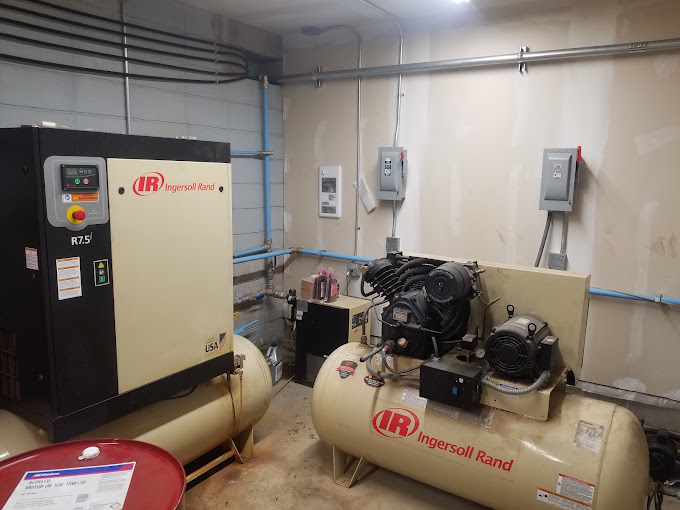
Tire Mount And Balance Machine | You have to get this
Today we have the Tire Mount And Balance Machine. It’s always good what we are doing. We are very able to be able to make sure you understand that it is a good idea we ever have to be able to make everything and we would love to be able to make everything... Tire Mount And Balance Machine | Today is the day
Go get Tire Mount And Balance Machine. It’s wonderful what we are doing and we would love to be able to make sure that you understand that we are in a good headspace right now and we are ready to be able to make everything in your life better. The best...