


Buying a lift is only half the job. Getting it anchored, powered, and safety-checked is what actually puts a vehicle in the air. Proper car lift installation protects your technicians, your building, and the warranty on your new equipment, which is why so many shops choose a turnkey approach instead of piecing the work together themselves. At Auto Lift Services, we sell the lift and coordinate the install as one project, so you are not left holding a pallet of steel and a stack of questions after the freight truck pulls away.
This guide walks through what a professional car lift installation really involves, the site and electrical requirements that trip up first-time buyers, the permitting and inspection steps many owners forget, and why we recommend leaning on trained installers for anything that lifts a vehicle overhead. Understanding the process up front helps you budget accurately and avoid the delays that come from discovering a problem on install day.
What a Professional Install Involves
Every install starts long before the truck arrives. The work begins with a site survey that confirms your space can safely support the equipment you have chosen. That means checking ceiling height, bay width, clearances around the columns, door and beam locations, and how vehicles will move in and out of the bay. Skipping this step is the most common reason a lift ends up in the wrong place or cannot be fully raised once it is standing. A short measurement visit or a set of dimensioned photos usually settles it, and it saves an expensive surprise later.
Concrete and Anchoring
Concrete is the single most important factor in any car lift installation. Two-post and four-post lifts rely on anchor bolts set into a slab that meets minimum thickness and strength requirements. A slab that is too thin, cracked, or poorly cured cannot hold the anchors under load, no matter how good the lift is. Professional installers verify slab depth, check for reinforcement and expansion joints, and use the correct anchors torqued to specification. When a slab does not meet requirements, the fix is new concrete, not a workaround, and we would rather tell you that up front than see an anchor pull loose with a vehicle in the air.
Power and Air Requirements
Most commercial lifts run on single-phase or three-phase power, and the motor has to be wired by a licensed electrician to the correct voltage and breaker size. Some lifts also need shop air to release the safety locks. Part of a clean install is confirming your electrical panel can handle the added load and that a dedicated circuit is run to the right spot before the crew shows up. Sorting power out in advance keeps the job on schedule and avoids paying an install crew to wait on an electrician.
Permitting and Inspection
Many jurisdictions treat a lift as a permanent building improvement, which means a permit and an inspection. Requirements vary widely by city and county, so it pays to ask your local building department early. A professional installation team can tell you what documentation is typically needed and how the anchoring and electrical work should be done so it passes inspection the first time. Getting this right protects you if an insurance question or a workplace-safety review ever comes up down the road.
Professional vs. DIY Installation
It is tempting to save money by installing a lift yourself, and lighter home-garage units are sometimes owner-installed. For a busy shop, though, DIY car lift installation carries real risk. Setting columns out of plumb, torquing anchors incorrectly, or miswiring the motor can void the manufacturer warranty and, far worse, create a safety hazard the day a vehicle is overhead. Trained installers bring the right tools, know the torque specs, and level and shim the equipment so it operates smoothly for years. The labor cost is small next to the value of the vehicles you will lift and the people working beneath them every day.
If you are still weighing options, our overview of four-post lift installation cost breaks down the real-world budget factors, and our auto shop startup checklist shows how the lift fits into equipping a full bay from scratch.
What Install Day Looks Like
On a typical job, the crew arrives with the lift already staged, confirms the layout against the site survey, marks anchor points, and drills and sets the anchors into the prepared slab. Columns are raised, plumbed, and shimmed, the hydraulics and cables are connected, and the electrician ties in the power. The team then cycles the lift through its full travel unloaded, checks the safety locks, and often runs a test lift before handing it over. A single-bay job frequently wraps in a day when the site was prepped correctly, which is exactly why the prep work matters so much.
Why Turnkey Car Lift Installation Matters
When the lift and the install come from the same team, accountability is simple. There is no finger-pointing between the seller and a separate installer if something needs adjusting. We spec the right lift for your vehicles and your building, coordinate freight, and handle the car lift installation so the equipment is delivered, set, anchored, powered, and tested as one project. You get a lift that is ready to use and backed the way the manufacturer intended, with one point of contact if you ever have a question.
Choosing the Right Lift to Install
The best install starts with the right lift. We help you choose based on the vehicles you service, your bay layout, and how you work. For general automotive service, we match most shops to Challenger and Rotary two-post and four-post lifts, which offer proven engineering and strong parts support. Forward is another solid option we carry. For lighter home and hobby use, budget-friendly BendPak and Atlas units can make sense, though they are not our main focus for commercial shops.
Browsing helps too. See our lineup of two-post car lifts for sale and four-post car lifts for sale, or explore the full range of car lifts in our store. Whatever you land on, the install is something we plan with you from the first conversation, not an afterthought.
Talk to Us Before You Buy
A lift is a long-term investment, and the install determines how well it serves you. We will review your site, recommend equipment that fits, and quote the lift with installation so there are no surprises. We also offer 0% financing options so you can get the right lift and the right install without draining cash flow. Call Auto Lift Services at 800-674-9302 to talk through your bay, your vehicles, and a car lift installation plan built around your shop.
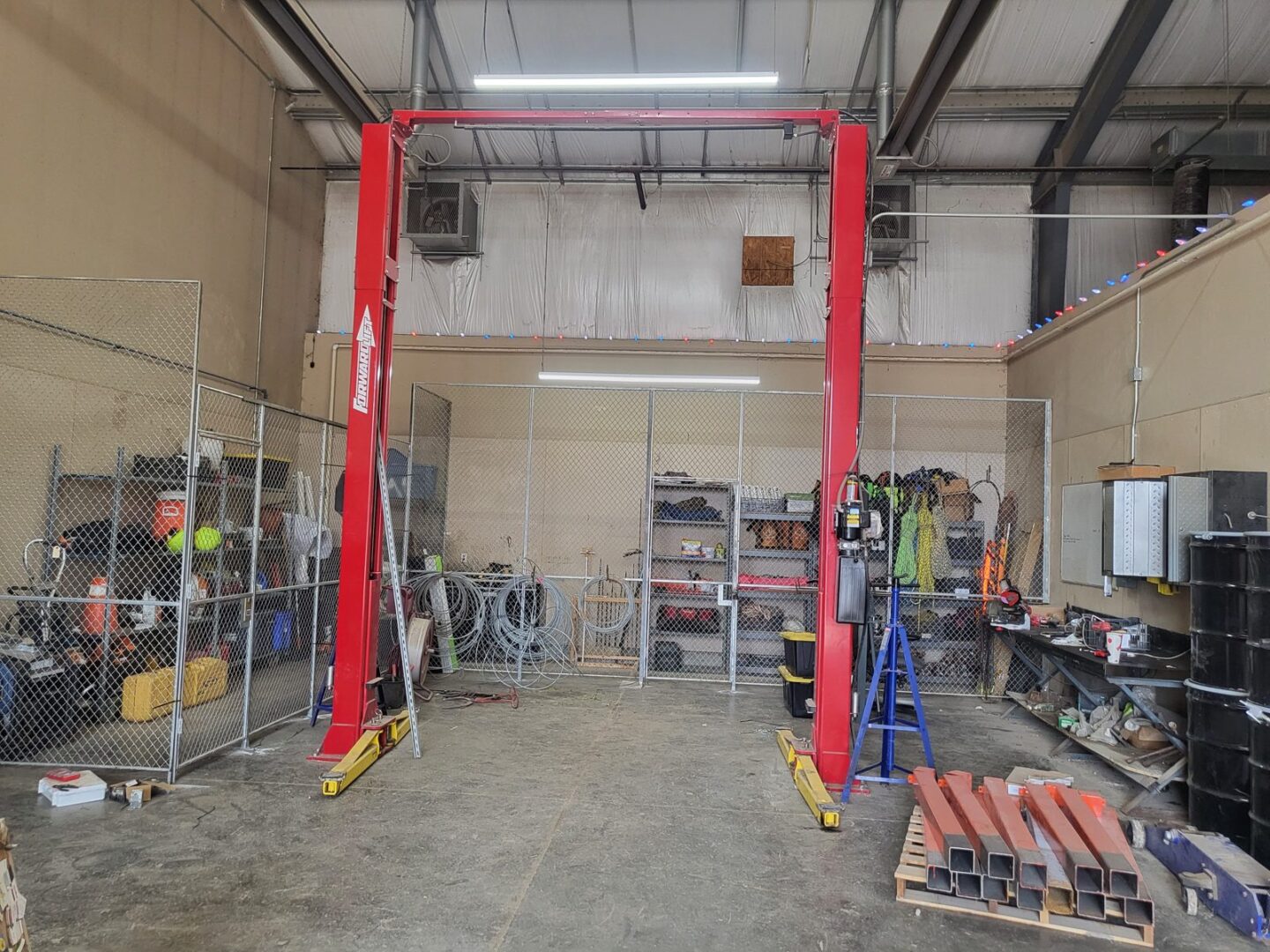
What a finished install looks like
Our Clients Include: