cl10v3 challenger parts for sale
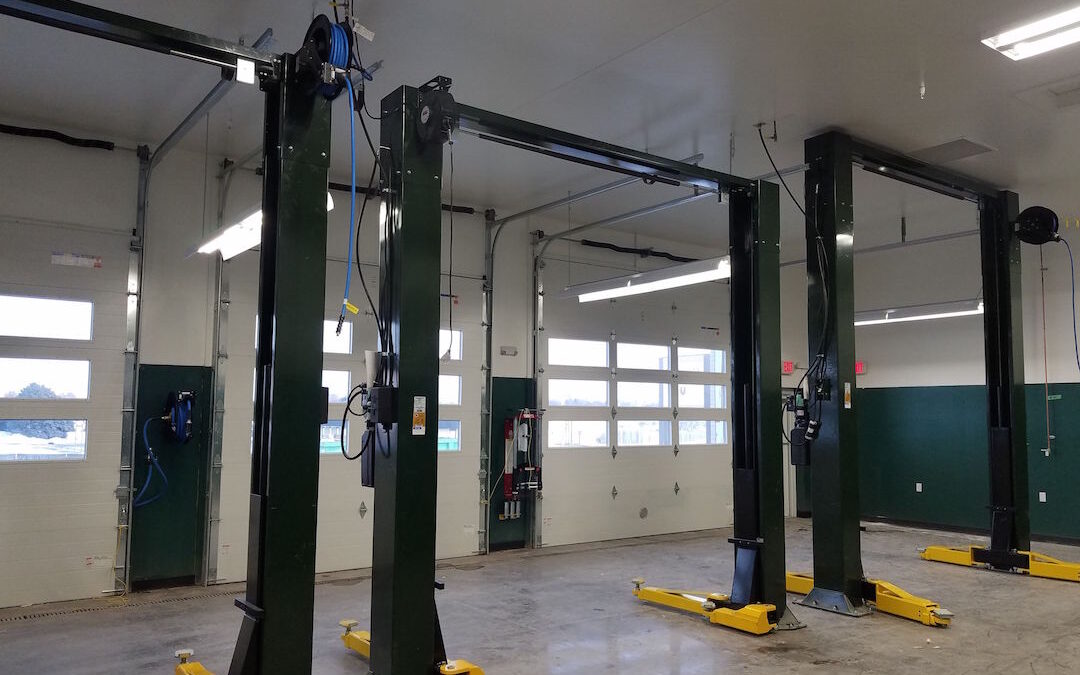
For a European-marque specialty shop, CV axle and half-shaft work is bread-and-butter labor — but it only pays if the lift under the car holds a low-slung sports sedan or wagon rock-steady while a tech torques a hub nut to spec or presses a new joint into a housing. That’s exactly the environment where a Challenger CL10V3 earns its keep, and it’s exactly why so many shops go looking for cl10v3 challenger parts for sale the moment a pad wears thin or a hydraulic fitting starts weeping. The trouble is that the internet is full of half-right advice about this platform. Before you order the wrong foot kit or chase a phantom pump problem, it’s worth clearing up the myths that cost specialty shops time and money on this specific two-post.
Shop Challenger CL10V3 Parts →
Myth #1: “All Challenger Two-Posts Use the Same Feet and Pads”
This is the single most common — and most expensive — mistake we see European specialty shops make. Challenger has run several generations of asymmetric two-post lifts, and the CL10V3 does not share a parts bin with the older CL10-2 or with the newer VLE10 series. Feet, pad cups, and arm restraints look similar across the family at a glance, but bolt patterns, screw-pad thread pitch, and swing-arm pad heights differ enough that a “close enough” part will either not fit or will fit poorly and shift under load — a real problem when you’re pressing a half-shaft joint and need the vehicle to sit dead level.
We’ve fielded more than one call from a shop that ordered four 10-inch feet and two 6-inch screw pads for a lift with four low-profile pads and two 6-inch pads already in service, only to find the geometry off by a half inch on install day. When you’re sourcing cl10v3 challenger parts for sale, always pull the serial tag first — it lives on the base near the power unit — and quote the exact pad and foot heights you’re replacing, not just the model family. A five-minute phone call with a parts desk that knows the CL10V3 specifically saves a return shipment and a lift that’s out of service during your busiest axle-swap week.
If your shop runs mixed lift ages, keep a written log of which bay has which generation. It sounds basic, but it’s the fastest way to stop this mistake before it happens again.
Myth #2: “A Warranty Pump Fixes Any Hydraulic Complaint”
Hydraulic pumps get blamed for a lot of problems they didn’t cause. We’ve seen warranty pump requests come in for a CL10-2 that actually had a worn suction hose fitting, and we’ve seen a brand-new CL10V3 pump arrive from the factory missing its suction hose entirely — a documented, verified manufacturing gap, not a shop error. The lesson: before you order a full pump assembly, isolate whether the fault is the pump itself, a suction-side hose or fitting, a check valve, or a control cable that’s simply out of adjustment.
For a shop doing CV axle work, a sluggish or uneven lift isn’t just an inconvenience — it’s a safety issue when a vehicle is angled with a half-shaft partially disconnected. Symptoms worth separating: slow rise on both sides equally (often a worn pump or low fluid), one side dropping faster than the other (usually a cable or equalizer issue, not hydraulic at all), or a lift that won’t rise past a few inches (frequently an air-locked suction line, not the pump). Ordering cl10v3 challenger parts for sale without this diagnosis step means you might swap a perfectly good pump and still have the original complaint.
Keep the reservoir topped with the correct hydraulic fluid grade and bleed the system after any hose disconnection — most “pump failures” we get called about trace back to trapped air, not a bad casting.
Myth #3: “Reservoir and Tank Damage Is Cosmetic”
A cracked or dented hydraulic reservoir on a CL10V3 gets waved off as cosmetic more often than it should be. We’ve had shops call after a vehicle backed into the power unit housing, assuming a dented tank is fine as long as it holds fluid. In practice, a compromised reservoir can introduce air into the suction line, contaminate fluid with metal shavings if the impact cracked a weld, or simply fail outright under the vibration of daily two-post cycling. For a specialty shop lifting European vehicles with tight ground clearance and long half-shafts hanging low during service, a lift that hesitates or drifts mid-job is not an acceptable risk.
Before writing off reservoir damage as minor, check for fluid discoloration, listen for air gurgling during rise and descent, and inspect the tank seams under a flashlight. If there’s any doubt, get a price and availability check on a replacement reservoir rather than running it. Sourcing cl10v3 challenger parts for sale for a reservoir swap is straightforward once you have the serial number in hand, and it’s a far cheaper fix than a dropped vehicle or a warped shaft from an uneven descent.
Myth #4: “Ordering Direct From the Manufacturer Is Always Fastest”
Going straight to Challenger’s factory parts line feels like the obvious move, but specialty shops with an existing distributor relationship often get faster turnaround through that channel — especially on the pads, feet, and hardware that turn over constantly. We maintain standing accounts for repeat shop customers, which means a purchase order with a known account number and a short part list — say a specific TCS-series pad or a VS10-series screw kit — can go out the same day rather than waiting in a general order queue. If your shop is doing CV axle and half-shaft work regularly enough to wear through pads on a predictable cycle, a standing account is worth setting up before the next failure, not during it.
Myth #5: “Any Local Tech Can Handle a Challenger Install or Repair”
General handiness isn’t the same as familiarity with Challenger’s specific arm restraint system, cable equalization, and pad-height calibration. We staff installs and service calls nationwide through a network of 1099 subcontractor technicians we personally train, vet, and support — and for jobs where precision matters, particularly full pump or reservoir replacement, we frequently fly one of our own Ames, Iowa-based techs out to work alongside the local technician on-site. That combination means a shop anywhere in the country gets both boots-on-the-ground scheduling and direct-from-the-source Challenger expertise, without needing to ship the lift or the vehicle anywhere. See our parts lookup page for serial-based part matching before you call.
Myth #6: “Height Extensions Are One-Size-Fits-All Add-Ons”
Shops that ceiling-limit their bay height sometimes reach for a Challenger height extension assuming any kit fits any column. In reality, the CL10V3’s column extensions — available in roughly two-foot increments up through six-foot kits — are matched to the specific column casting and cable routing of that generation. Ordering the wrong extension length or mismatch generation kit means field-cutting cable, which is not a repair we recommend for a lift carrying a vehicle mid-axle-service. If you’re planning a ceiling-height upgrade alongside routine part replacement, bundle the order and confirm both the base model and desired final height in the same conversation, ideally referencing the same serial tag used for pad and pump sourcing. This is also the point where many shops discover they’d rather step up a full model tier — our team can walk through the VLE10 line as a comparison point if a straightforward extension isn’t giving you the working height CV axle jobs really need.
Myth #7: “Sourcing Parts Yourself Saves the Most Money”
Piecing together generic pads, aftermarket feet, and off-brand hydraulic fittings from a dozen different sellers often costs more in fitment failures and return shipping than buying matched, verified cl10v3 challenger parts for sale from a distributor who stocks the exact generation. A specialty shop’s time is worth more spent on billable CV axle labor than troubleshooting a foot kit that’s a half-inch off. Working with a single source that knows the CL10V3’s parts history — and can back that up with real install and service support — is almost always the cheaper path over a lift’s working life. Browse our full lift parts catalog or check parts lookup by serial number to get started.
About the Author
Josiah Ragsdale is the founder of Auto Lift Services. Based in Ames, Iowa, our team installs, services, and stocks parts for every major lift brand — from a home-garage 4-post through 30,000 lb commercial and 40K+ heavy-duty. Have a question or need a quote? Call 800-674-9302 or email [email protected].